Why do most interiors feel disconnected from their spaces?
A diagnostic academy for designers who want to build intention, not assumption. Emerging designers and career-switchers struggle to distinguish spatial thinking from decorative choice. We teach you to read a room, question your assumptions, and design with evidence.

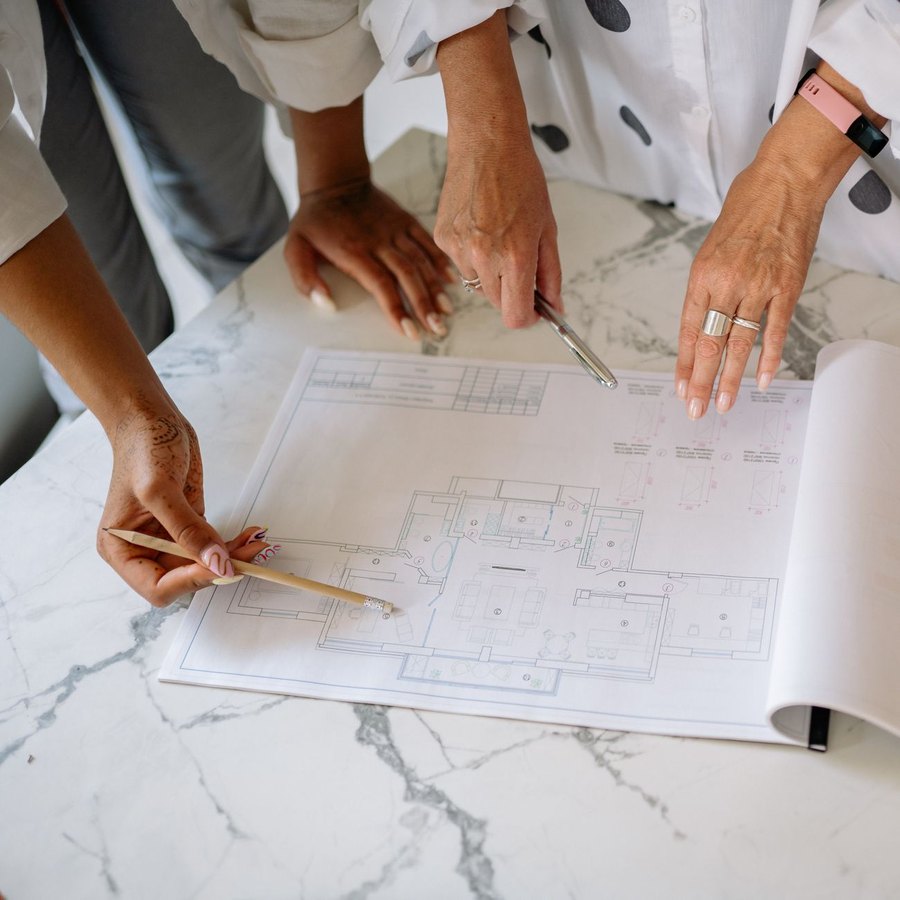
From spatial reading to refined analysis
See how diagnostic thinking transforms initial observation into intentional design.
Students begin by observing a space without judgment. Within the first diagnostic cycle, they learn to annotate their observations, question inherited assumptions, and trace design decisions back to spatial conditions. This shift from decorative thinking to diagnostic reasoning is grounded in actual student workflow and observable criteria, not invented metrics.

Four diagnostic stages: From observation to execution
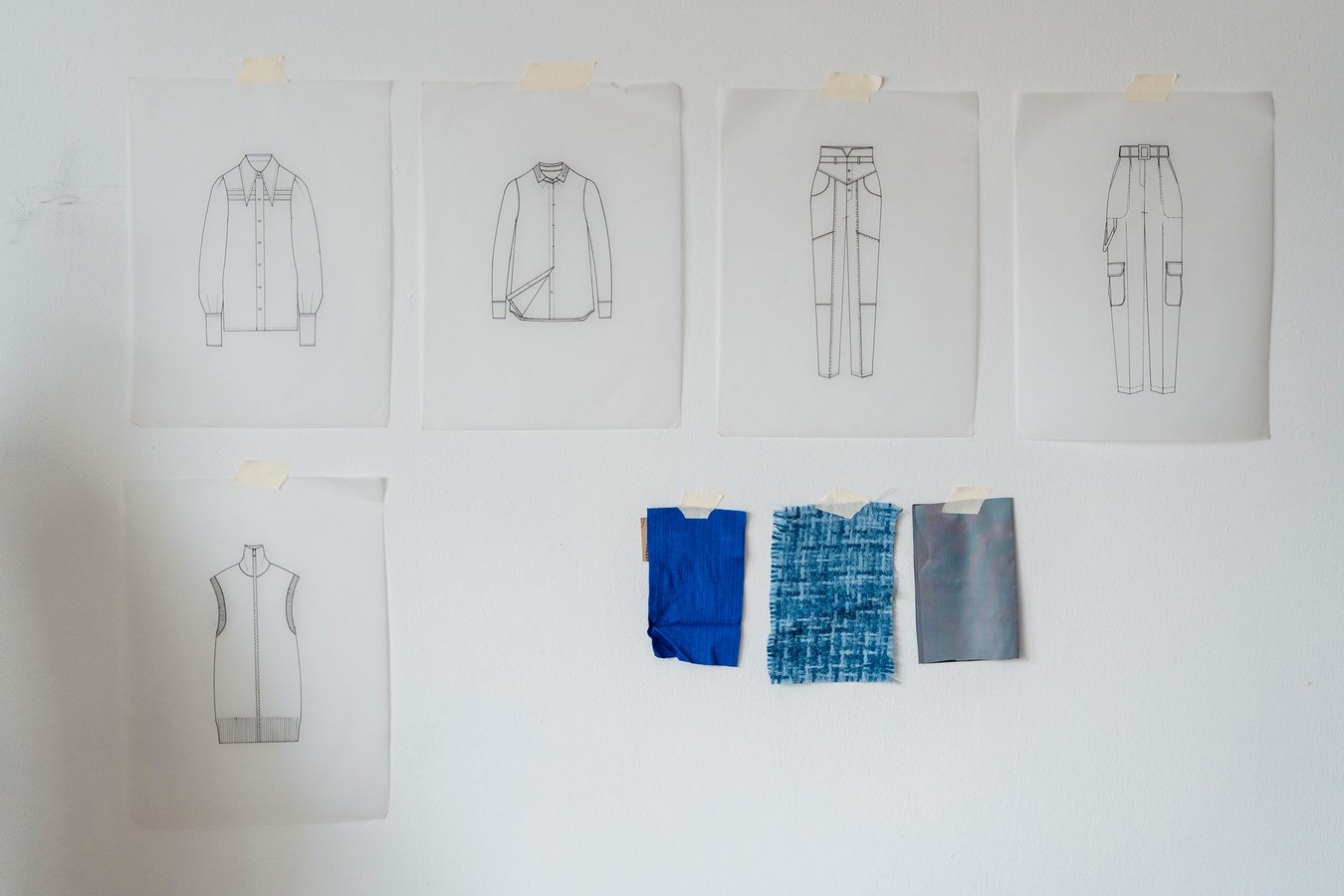
Diagnostic criteria for studio readiness
We assess what you know, what you assume, and where intention begins.
- Observational honesty: Can you describe a space without immediately interpreting it? Do you distinguish between what you see and what you assume?
- Willingness to question: Are you open to challenging your initial design instincts? Can you sit with uncertainty before proposing solutions?
- Evidence-based reasoning: Do you trace your design decisions back to spatial conditions, user behavior, or material properties?
- Collaborative practice: Can you articulate your diagnostic process to peers and receive feedback on your reasoning, not just your aesthetics?
- Practical commitment: Are you ready for studio-based learning that requires sustained engagement and iterative refinement?
Enrollment is a conversation, not a transaction. We assess mutual fit through a diagnostic interview where you share your practice and we explain our teaching approach.
Studio cohorts by region
Local support, shared diagnostic work. Peer learning reinforces diagnostic practice and builds a community of emerging designers committed to intentional spatial thinking.
Cohort enrollment opens February
Limited to 8 designers per cycle
For designers outside Egypt
Asynchronous + monthly live sessions
Begin your diagnostic conversation
Tell us about your practice and what brought you here.